In a garden, young people engage all their senses. They see the garden change day by day, feel the texture of soil, smell the earth after watering, hear the buzz of pollinators, and even taste what they've grown—building a real connection to the natural world along the way. Gardens can also bring schools, afterschool programs, families, and neighbors together through shared learning, neighborhood beautification, and care for a common space.
A garden doesn’t need to be large, elaborate, or perfect to become a meaningful place for learning, and there’s no single model it has to follow. A raised bed, a schoolyard plot, a community garden, or a row of containers can all give youth a place to plant, discover, and grow.
Below are practical ideas to help you begin growing these benefits in your community.
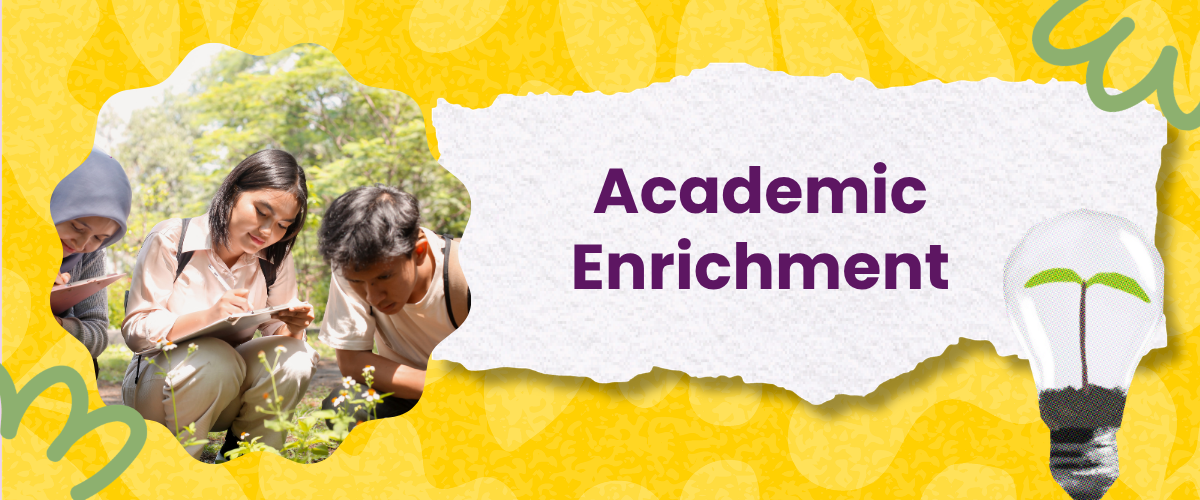
Gardens make abstract ideas tangible. Young people can watch a seed germinate, measure rainfall, document changes, test growing conditions, and experience the connection between their choices and how a plant grows.
In their article, Learning Through the Garden, Rutgers Cooperative Extension describes gardens as “living laboratories” that can bring classroom concepts to life and give academic learning practical meaning. Garden-based experiences can also cultivate curiosity, creativity, flexibility, and critical thinking skills that help young people become more confident learners and problem-solvers.
Try these ideas as part of a garden-based learning experience:
- Observe germination. Create a Garden in a Glove or make a seed book. Invite young people to predict what will happen, record changes, draw what they notice, and compare the conditions that help different seeds grow.
- Measure and look for patterns. Engage youth in building a simple rain gauge, track plant growth with a bulb growth chart, or record daily temperatures. Use the data to practice measurement, calculate change, create graphs, and look for patterns over time.
- Explore food, culture, and geography. Investigate what foods grow in different climates and regions. Map where familiar ingredients come from and discuss how land, weather, culture, and history influence what people grow and eat.
- Connect the garden to literacy and math. Read garden cookbooks, write instructions, or create a program recipe book from cooking experiments. Through this, students can practice sequencing, descriptive writing, fractions, measurement, and scaling recipes.
- Learn across subjects. Use the garden as inspiration for nature journaling, poetry, botanical art, engineering challenges, or investigations of insects, soil, weather, and plant life cycles.
For more garden-based activities and lessons, explore KidsGardening and the National Agriculture in the Classroom Curriculum Matrix.
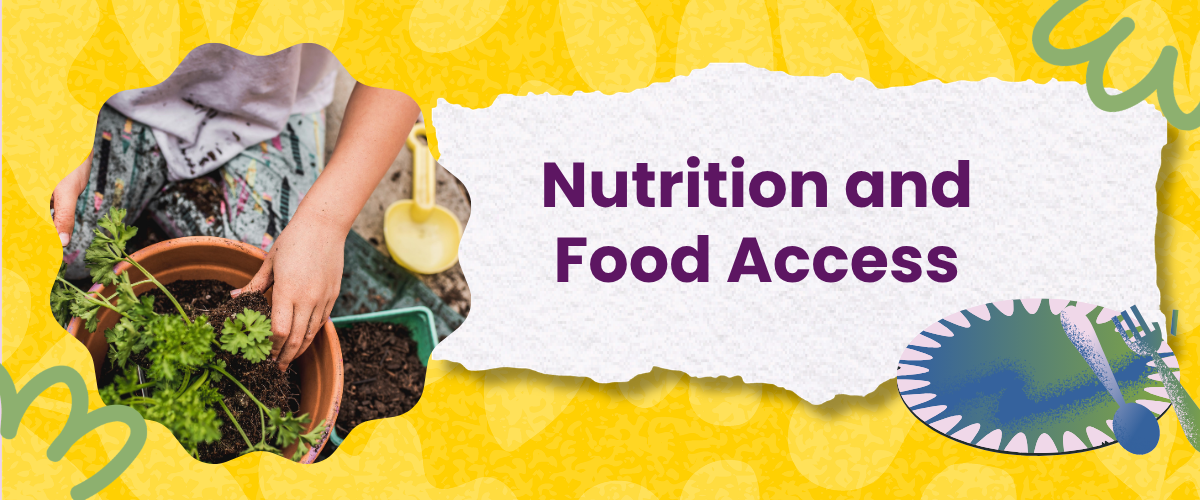
Nutritious food isn’t always in reach—not for every child, or every community. Food insecurity can affect children’s physical and mental health as well as their ability to learn and thrive. Feeding America offers current research and resources on hunger and where to find support.
A garden cannot solve food insecurity on its own, but it can be one piece of a larger community response. Gardens give youth opportunities to understand where food comes from, taste fresh ingredients, learn food preparation skills, and contribute to their community by growing food.
Programs can:
- Partner with schools, summer programs, food banks, neighborhood organizations, and families to strengthen food access when school is not in session.
- Invite young people to help decide what to grow and how to prepare, share, and/or donate the harvest.
- Use garden produce in cooking and tasting activities that introduce new foods without pressure.
- Explore the cultural stories, traditions, and memories connected to different foods.
- Help young people investigate local food systems, identify community needs, and design their own service or advocacy projects.
- Learn from organizations that combine youth leadership, urban agriculture, and food access, including Urban Roots and The Food Project.
These experiences position young people as more than recipients of support. They allow youth to become researchers, growers, advocates, problem-solvers, and contributors to their communities.
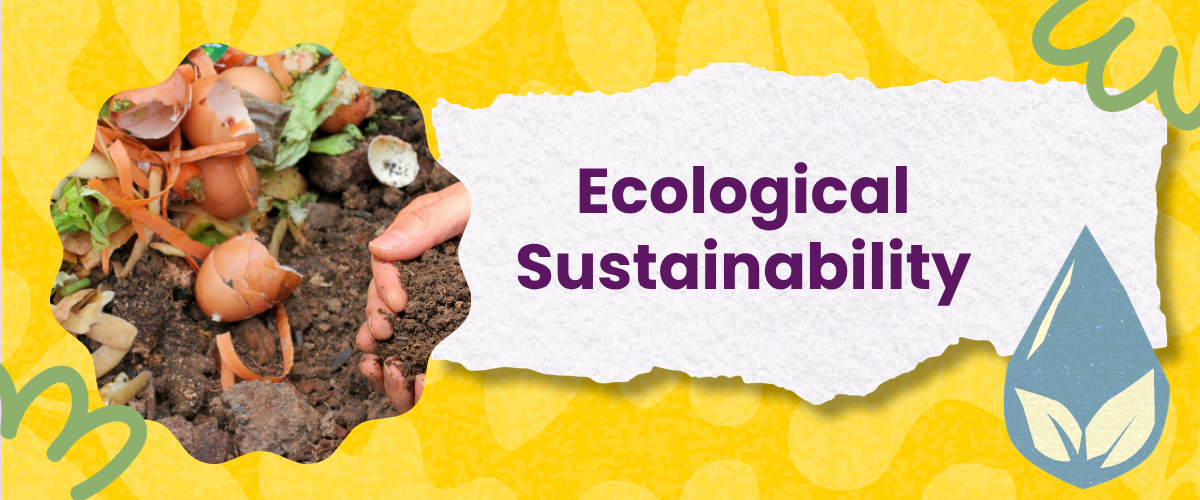
Gardens make environmental systems easier to see and understand. Composting, water conservation, pollinator habitats, soil health, and waste reduction can all become hands-on lessons in how natural systems work.
Composting, for example, allows young people to investigate decomposition while reducing the amount of food waste sent to landfills. Finished compost can then return nutrients and organic matter to the garden’s soil, making the full cycle visible.
Consider these projects:
- Collect fruit and vegetable scraps from program snack and mealtime and create a youth-led composting system.
- Conduct a waste audit and challenge young people to design ways to reduce, reuse, or compost more of the program’s waste.
- Plant native flowers or create a pollinator garden to support bees, butterflies, and other beneficial insects.
- Encourage youth to track water use, compare watering methods, or design a system that helps the garden retain moisture.
- Connect young people with how trees play an important role in mitigating climate change.
- Explore how soil, plants, insects, weather, water, and people depend on one another within the garden ecosystem.
KidsGardening offers additional environmental education ideas and garden resources. Small acts of care can add up. A compost bin, pollinator patch, container garden, or newly planted tree can help young people understand that they have a role in caring for the places they share.
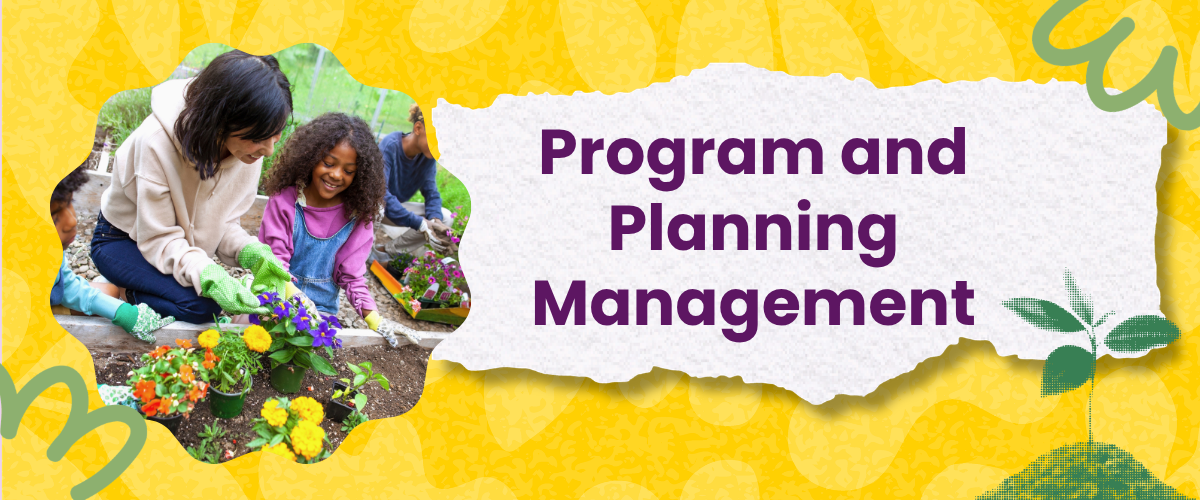
There is no single right way to create a learning garden. The best garden is one that fits your young people, your space, your growing conditions, and your program’s capacity to care for it.
Start by considering:
- Youth ownership: Which decisions can young people genuinely help make?
- Your purpose: What do you want young people to learn, experience, or contribute?
- Your space: How much sunlight, water, storage, and accessible growing space are available?
- Your growing season: What can you realistically plant and harvest during the time youth are present?
- Your people: Who can help design, build, tend, and sustain the garden?
- Your maintenance plan: Who will water and care for the garden during weekends, holidays, and program breaks?
- Your resources: What materials can be donated, borrowed, reused, or purchased?
Begin with something manageable. A few containers, a small raised bed, or an indoor herb garden can create meaningful learning without requiring a large budget or elaborate space. Starting small also gives young people and educators time to learn what works before expanding.
Collaborating with math, science, and art teachers can generate additional ideas for using gardens as hands-on ways to reinforce what students are learning in the classroom. Field trips to community gardens and farmers' markets can inspire young minds. If you are located in a cold climate, gardening and learning don’t have to end. Indoor growing, seed saving, greenhouse investigations, hydroponics, garden planning, cooking, and soil experiments can keep young people connected to the garden in any season.