Community gardens are more than places where food and flowers grow. They can become places of belonging, cultural expression, and collective action.
Across the country, gardens are taking root in schoolyards, vacant lots, community centers, housing developments, and neighborhood organizations. Educators are using these spaces to extend learning beyond classroom walls and help young people explore the relationships among food, culture, community, and the natural world.
In Garden-Based Learning, Part One: Benefits and Learning Experiences for Youth, I shared ways educators can use gardens to support academic enrichment, nutrition and food access, and ecological sustainability.
In my experiences with community gardens and youth programs, I am continually struck by the many ways gardens do more than support learning. They create opportunities for people to know one another, exchange stories, share knowledge, and care for something together.
Community gardens are place-based anchors for connection, empowerment, and cultural identity. An article by Margaret Lamar for the Children & Nature Network asks educators to consider how nature and outdoor programming can encourage cross-cultural exchange, community-based youth leadership, and connections among cultural traditions, food, and multigenerational wisdom.
Those questions shape the ideas that follow: How can a garden help young people learn from the people around them? Whose stories and knowledge are growing there? How can young people help shape what the garden becomes?
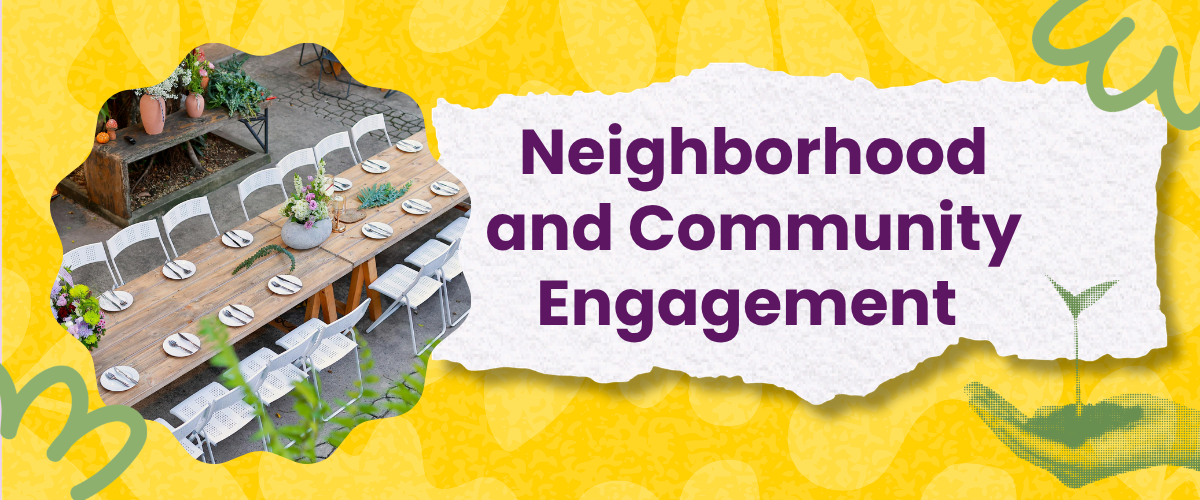
One of my favorite ways to bring people together is through a garden feast. Invite young people, families, and community members to help plan a meal featuring ingredients from the garden and foods that are meaningful to them. Alongside the meal, include music, art, storytelling, or wellness activities that reflect your community's people and traditions.
If you are doing a garden feast as a part of your school, afterschool program, or summer or fall break camp, here are a few ideas to try:
- Create a garden cooking club. Invite young people to plan a menu, harvest ingredients, prepare dishes, design invitations, and host a culminating community meal.
- Collect food stories. Ask family and community members if they would like to share a recipe, growing tradition, food memory, or story about a plant that is meaningful to them. With permission, young people can preserve these contributions in a community cookbook, garden journal, audio collection, or exhibit.
- Map the garden’s connections. Identify where the plants in your garden originated, how they traveled, and how different communities grow or prepare them today.
- Visit a local food market. Explore an international grocery store, farmers market, farm stand, or neighborhood food business. Help young people prepare respectful questions about ingredients, growing practices, and food traditions. Arrange conversations with owners or growers in advance rather than expecting them to provide an unplanned lesson.
- Host an intergenerational garden day. Invite elders, family members, local growers, and community gardeners to plant alongside young people and exchange skills, memories, and advice.
- Make space for community decisions. Ask neighbors and families what they would like the garden to grow, provide, or represent. Invite young people to gather their ideas and help.
A food system includes everything involved in growing, harvesting, transporting, eating, and disposing of food. Helping young people investigate these systems can reveal how science, culture, economics, environmental sustainability, and human labor are connected.
Try these learning experiences:
- Trace an ingredient. Select a familiar food and investigate where its ingredients were grown, how far they traveled, who helped produce them, and what natural resources were required along the way.
- Compare growing regions. Explore how climate, soil, water, and local traditions influence what communities grow and eat in different parts of the world.
- Examine a food label. Use labels, maps, and online research to identify where a product originated and consider why it may have traveled a long distance before reaching the store.
- Explore food-system careers. Invite local farmers, chefs, food entrepreneurs, scientists, garden educators, or conservation professionals to talk with students about their work.
- Design a more sustainable system. Challenge youth to identify one part of the food system they would like to improve and create a possible solution.
The goal is to help equip young people to explore the origins of food and production before it appears on a grocery store shelf and that every ingredient carries a story involving people, places, resources, and decisions.
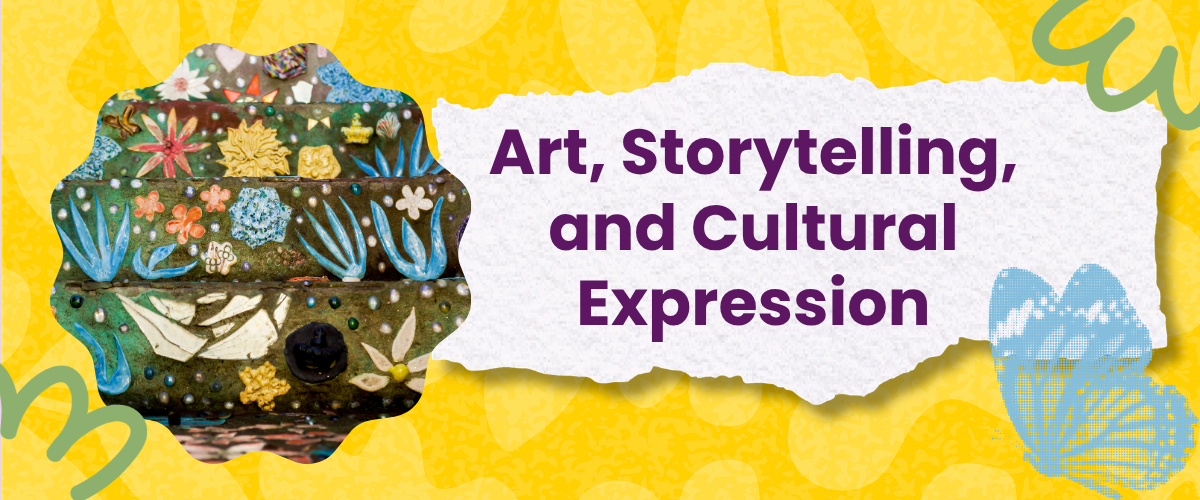
Gardens offer an abundance of natural materials, colors, patterns, sounds, and stories that can inspire creative expression.
Youth can:
- Explore how plants, gardens, and food appear in art, music, literature, textiles, celebrations, and stories from different communities.
- Study instruments made from plants, such as gourds, reeds, seeds, bamboo, or wood, and investigate the people and traditions connected to those instruments.
- Create botanical illustrations or nature journals that combine scientific observation with drawing, poetry, and personal reflection.
- Design a community garden mural that represents the plants, people, histories, languages, and hopes connected to the space.
- Create a pop-up book, zine, podcast, or photo essay that shares garden and food stories from families and community members.
When exploring artistic traditions, help young people learn about the people, place, purpose, and meaning connected to the art. Consider how you can invite artists and community members to share their own knowledge and experiences.
My hope is that these resources empower your education community to use gardens as places where cultural exchange comes to life and participants continue to see the world through all lenses, increase their skills and knowledge, and learn how gardening can be a catalyst for change.